Whether you like to kick back with a libation once in awhile, like to bake with alcohol as an ingredient or just want to be sure you have safe options for your gluten free friends, it’s good to know the facts about gluten free beer, gluten free alcohol, gluten free liquor, gluten free liqueur, gluten free wine, gluten free seltzers and gluten free ciders.
It’s not always easy to find which ones are safe in a store or on a bar menu, so I’ve taken the guess-work out for you here, both in highlighting brands and categories and in teaching you how to label read and shop discernedly.
Safe gluten free beer is relatively new in our world (cheers!), but many other alcohols and wines have been gluten free all along.
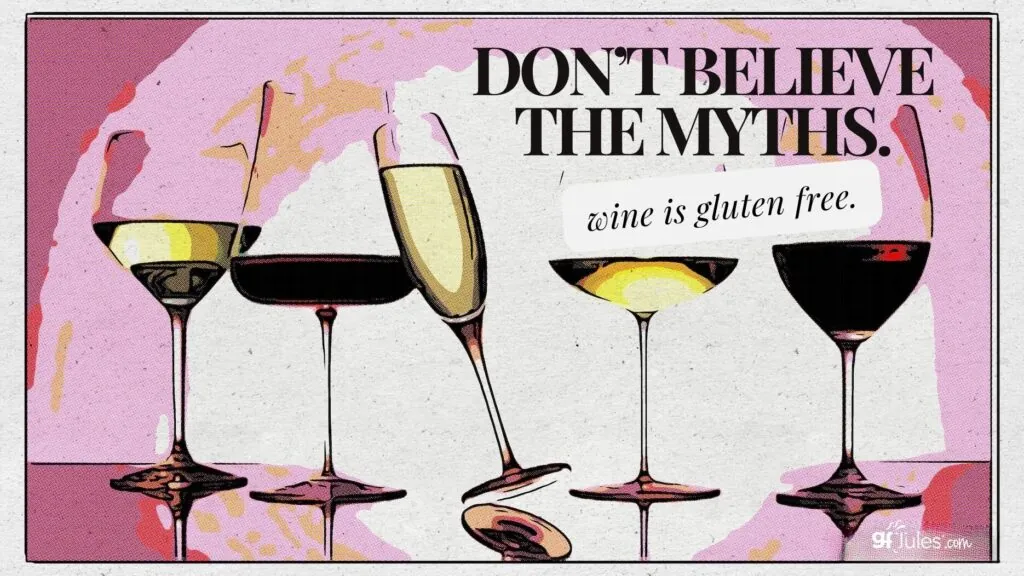
I’ll cut to the chase: while only certain beers are gluten free, all wine is gluten free. Wine is made from grapes, which are very definitely free from gluten (gluten is a protein found within the grains of wheat, barley and rye).
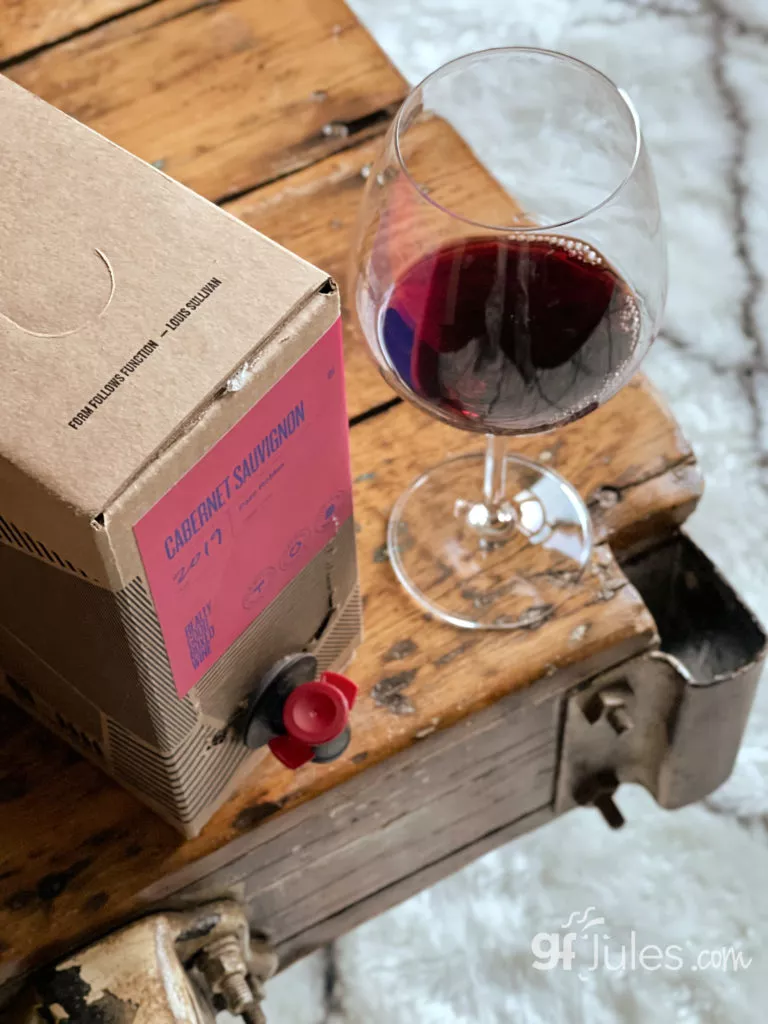
If you’d like to drink wine while reducing your environmental footprint, Really Good Boxed Wine is an interesting option for you! One box holds the equivalent of 4 bottles, keeps the wine fresh for 6 weeks, and unlike typical boxed wine, is actually made with high quality wines.
The wines are endorsed by Master Sommelier Andy Mysers; they are the only boxed wines to have ever been endorsed by a Master Sommelier. I tasted the Paso Robles Cabernet Sauvignon and it was surprisingly good (yes, I’ll admit to having low expectations for a boxed wine!).
To hear more details on the wine-making process and how wine really is gluten free, have a listen to the podcast of my radio show, The Gluten Free Voice, where gluten in wine was the topic of conversation that episode.
Is Sake Gluten Free?
Another type of wine — “rice wine” or sake — is also gluten free, but isn’t actually wine at all. It’s a closer cousin to beer because it is created by converting starch to sugar and fermenting it into alcohol. Here, the starch is rice (a gluten free starch) and the final product is called Sake.
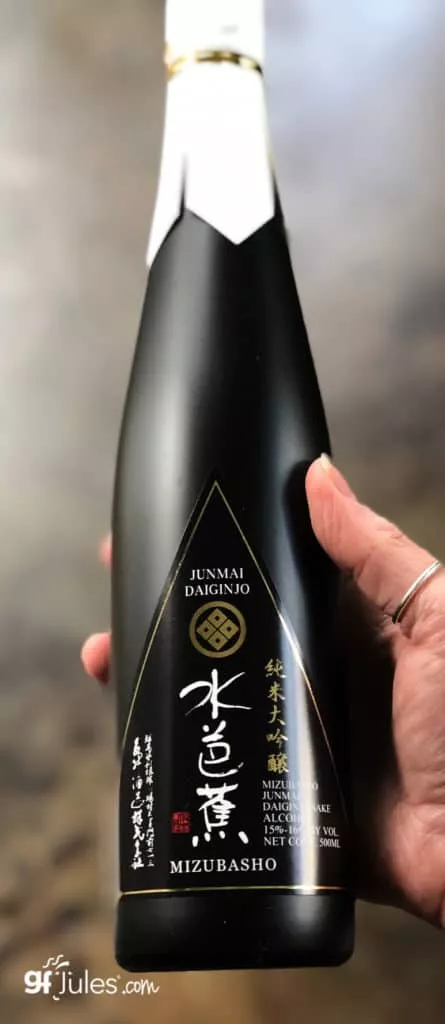
Sake may be created more cheaply by adding alcohol, or it may be produced using traditional methods of brewing with simple rice, water and koji (rice mold). The latter method produces Junmai sake which will be denoted on the label. (see photo)
Sake may be enjoyed warm (not hot) or cold and pairs nicely with lots of different foods.
Some sakes are drier and some are sweeter; on the sake label, you should be able to identify the Sake Meter Value (SMV) number from -15 to +15. The higher the number, the drier the sake. Taste a few with different foods and see which you prefer, then you can always remember your preferred SMV. Check SakeSocial for more information on sake characteristics.
(Many thanks to Marc Smookler, founder and CEO of SakeSocial.com for sharing the information on sake production.)
And … if you love wine but it doesn’t love you back, use disposable wine wands from Pure Wine to remove the preservatives in wine that often cause wine headaches. Or try these drops for your wine from Drop It. One small bottle fits neatly into your purse or pocket, and it treats up to 55 glasses or 9 bottles of wine. Add 1-2 drops for a glass of white, or 2-3 drops for a glass of red; Drop It binds with the free sulfites in the wines rendering them harmless, and also adds proteins that binds to the tannins to help them precipitate out.
Made from hydrogen peroxide, powdered egg whites and sunflower lecithin. Gluten free. Also available for beer (see photo).
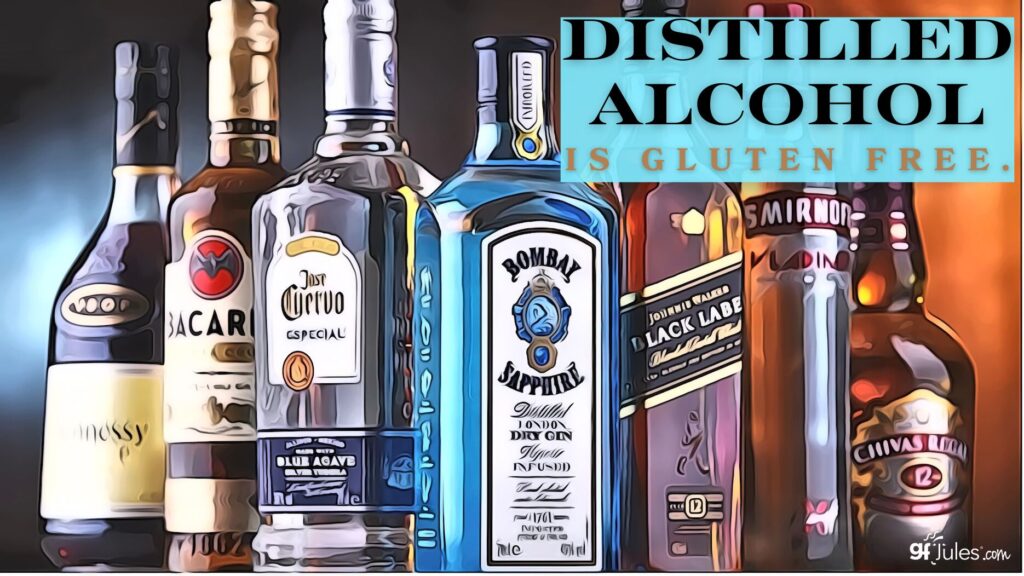
Is Distilled Liquor Gluten Free? Yes. (period)
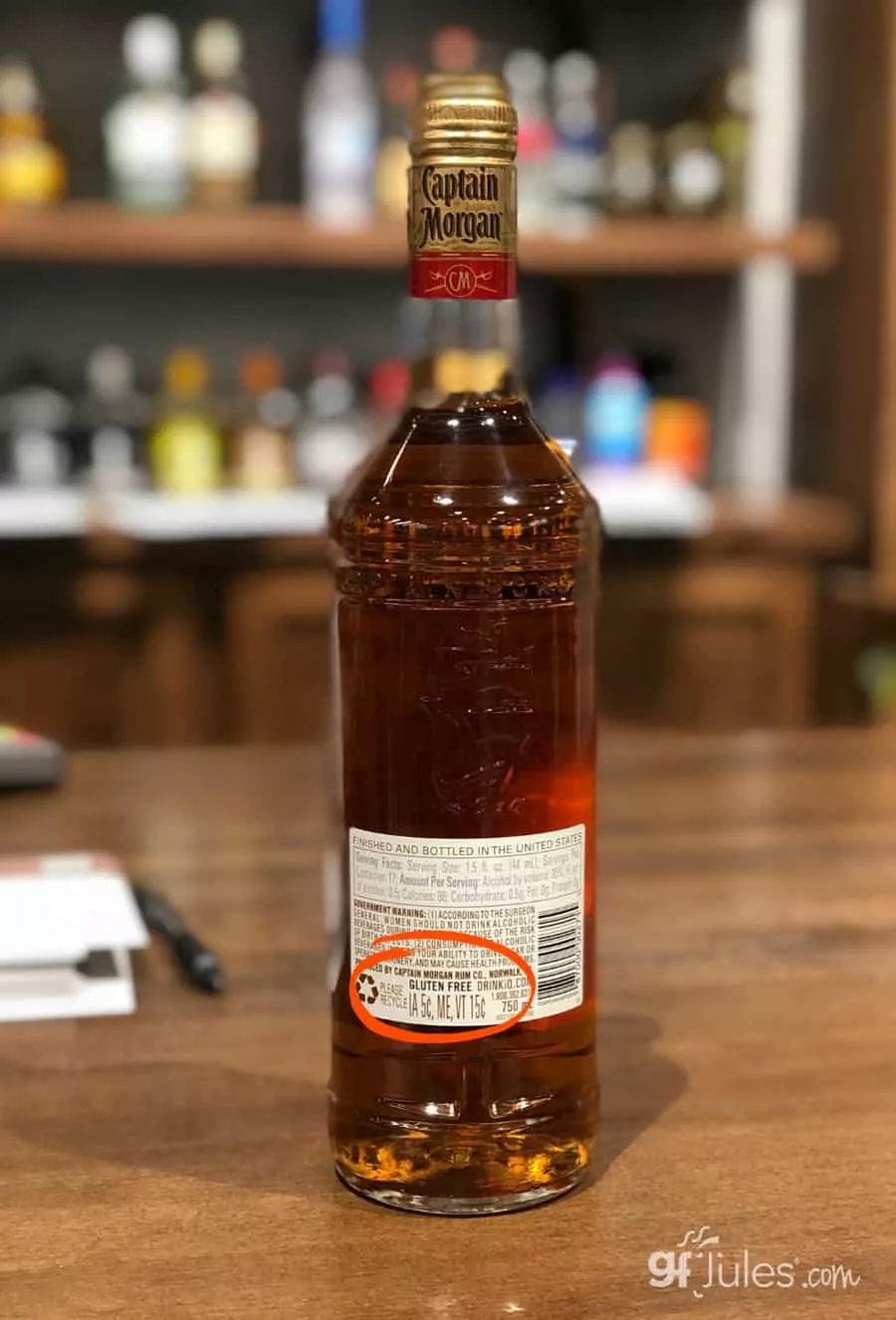
Is there gluten free liquor and liqueur? Yes! Liquors like rum (made from sugar cane), tequila (made from the agave plant) and brandy (distilled wine) are not made with gluten, so they are safe for celiacs and others with gluten sensitivity.
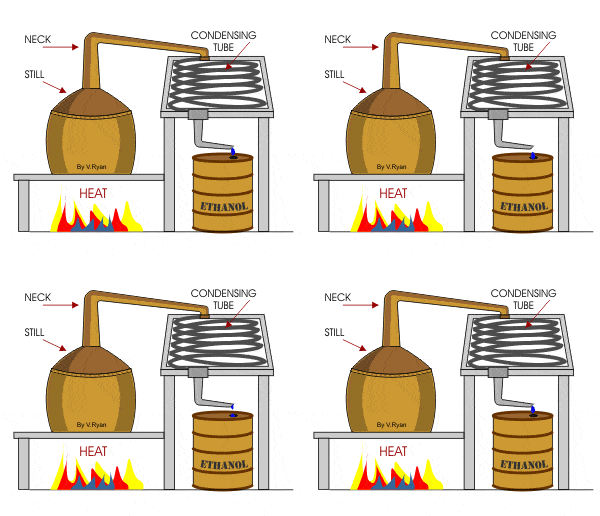
Let me repeat that in case it was unclear: PROPER DISTILLATION REMOVES GLUTEN PROTEINS. Therefore, even though grain alcohols may have started out with wheat or barley or rye, after distillation — the process that transforms them into liquor — they no longer contain gluten. Period.
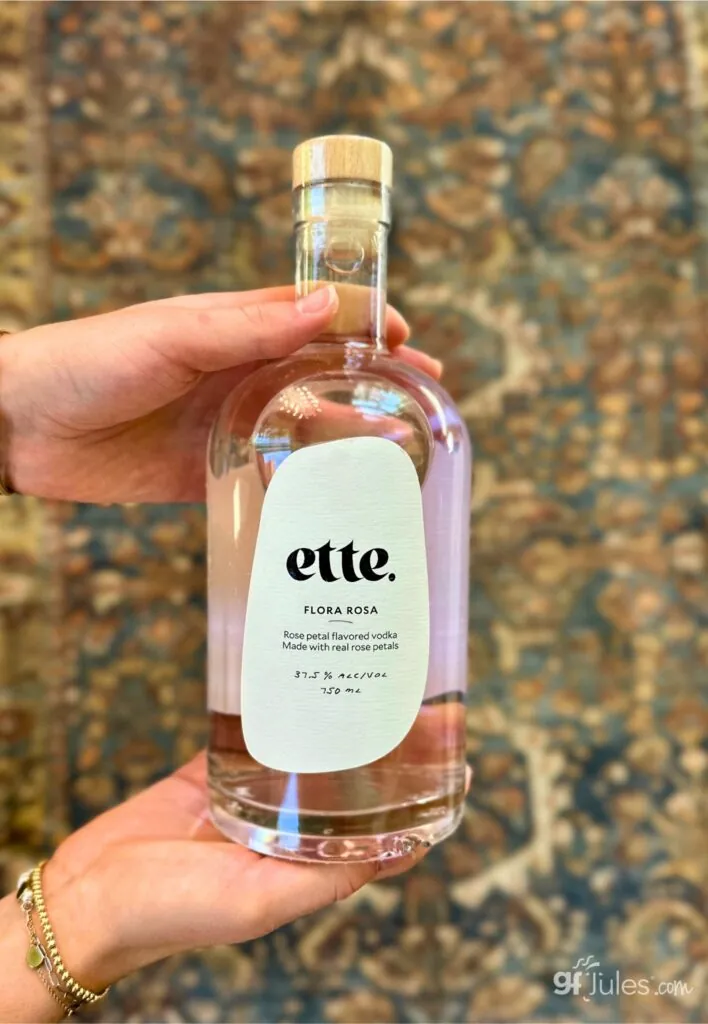
In fact, many spirits are distilled multiple times. Like this lovely vodka distilled six times and flavored with roses picked from the Rose Valley in Bulgaria. Ette Flora Rosa Vodka advertises itself as being gluten free and vegan, with no artificial flavors. It’s a gorgeous color, and has a lovely aroma, too!
Distilled alcohol choices made only from gluten free grains like corn or potato also exist, for those with wheat or barley allergy or those who choose to drink naturally gluten free liquor.
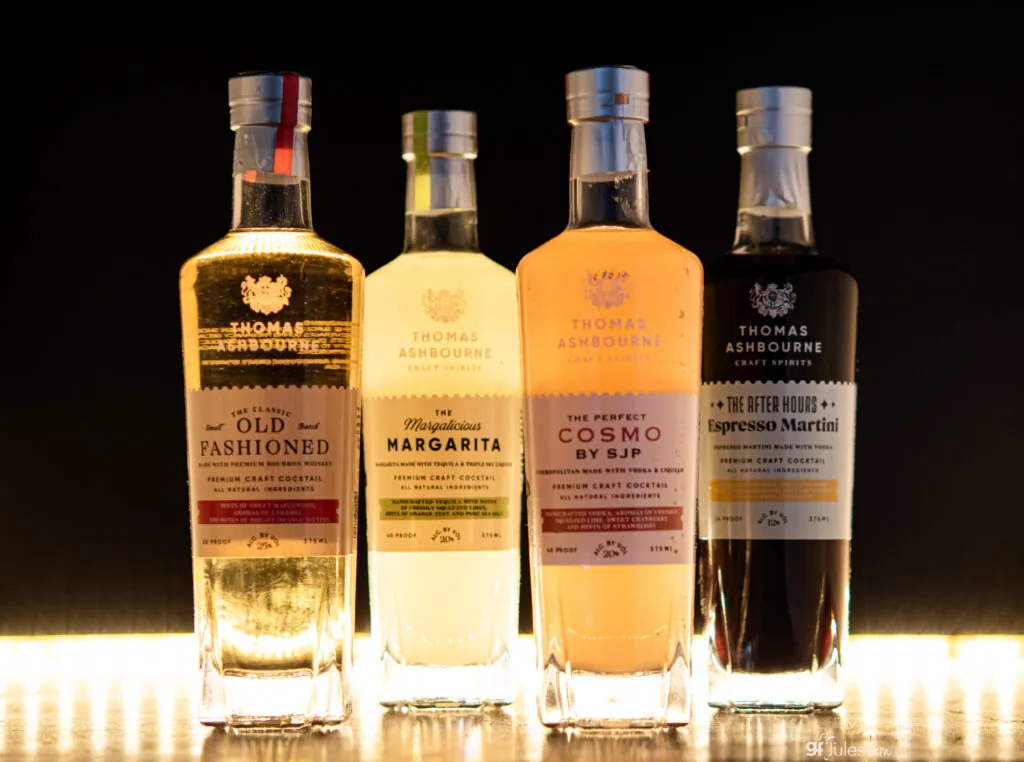
Other fun pre-mixed cocktails from Thomas Ashbourne are also a great ready-to-drink choice, even marketed as gluten free. Small batch blended in the USA, this woman-founded company with a very male name has some interesting partnerships that make for even more interesting drinks.
A Cosmo created by Sarah Jessica Parker, with cranberry, fresh lime, strawberry, premium vodka and triple sec; a Margarita backed by Ashley Benson, Rosario Dawson and Vanessa Hudgens, made from limes, sea salt, orange zest, premium tequila, triple sec and agave; and an Espresso Martini curated by none other than Neil Patrick Harris, made from Arabica and extra dark roast espresso, with hints of vanilla, and dark chocolate. Gluten free craft spirits in bottles or cans, ready when you are!
Are Hard Ciders and Malt Beverages Gluten Free?
Hard ciders are almost always gluten free, unless the manufacturer has added malt (made from barley).
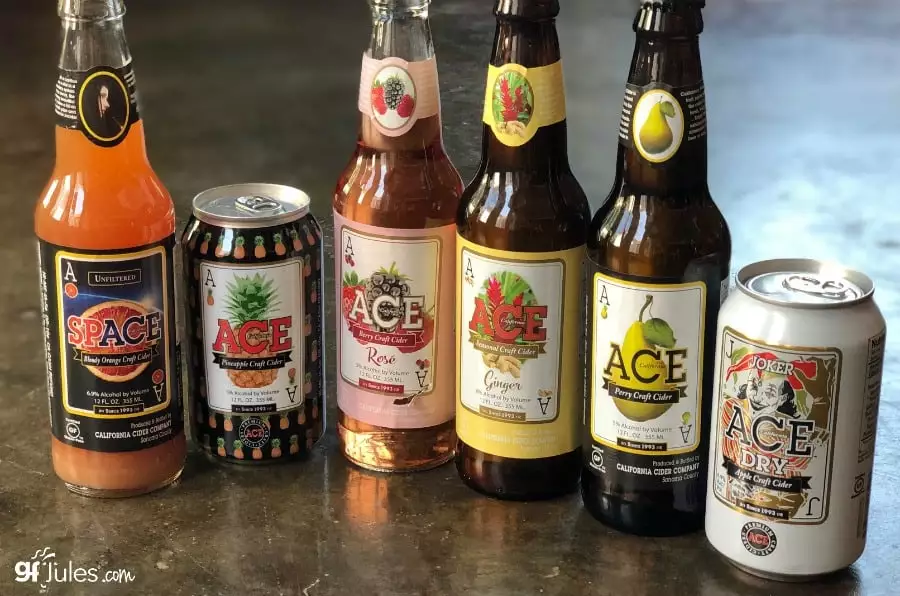
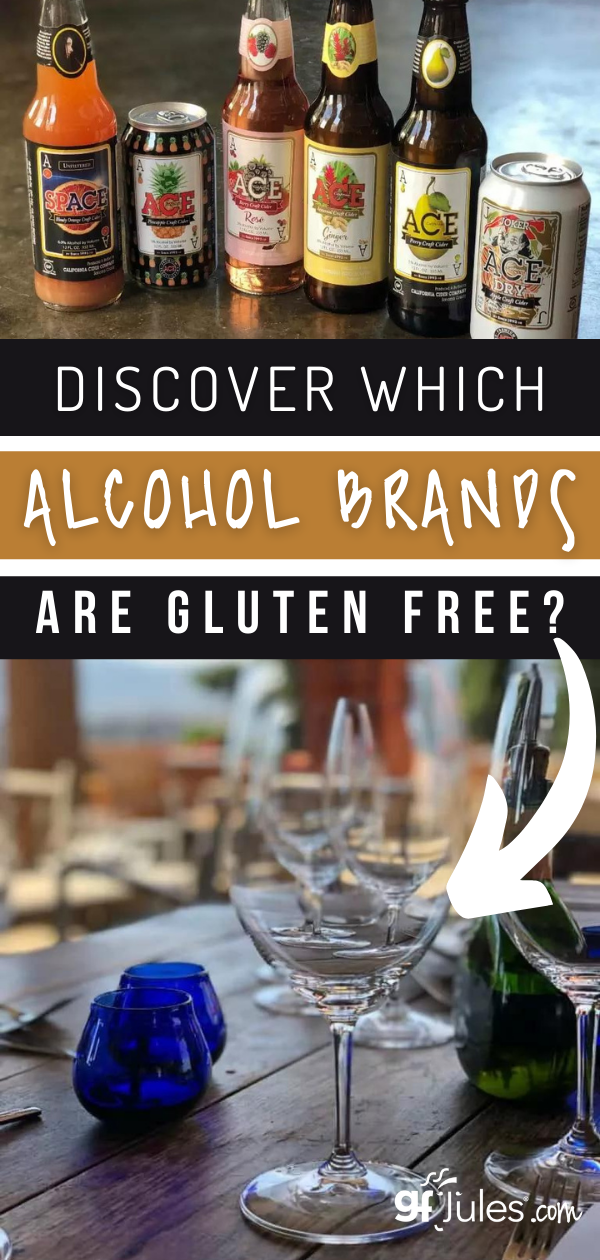
Ace Ciders are an example of certified gluten free ciders — just look at the range of flavor options (there are even more available, including delicious seasonal flavors like pumpkin). Ace California Cider Company, opened in 1993, is the first family owned cider in the US. It’s based in Sonoma, California and truly has some of the most unique and flavorful gluten free cider options I’ve found. I also love that they have bottles and cans!
Malted Beverages and Wine Coolers are NOT Gluten Free
Unlike true ciders which are gluten free, malted beverages and wine coolers are NOT gluten free. Malt is derived from barley which contains gluten, and these drinks are fermented, not distilled, so the gluten remains in the bottle.
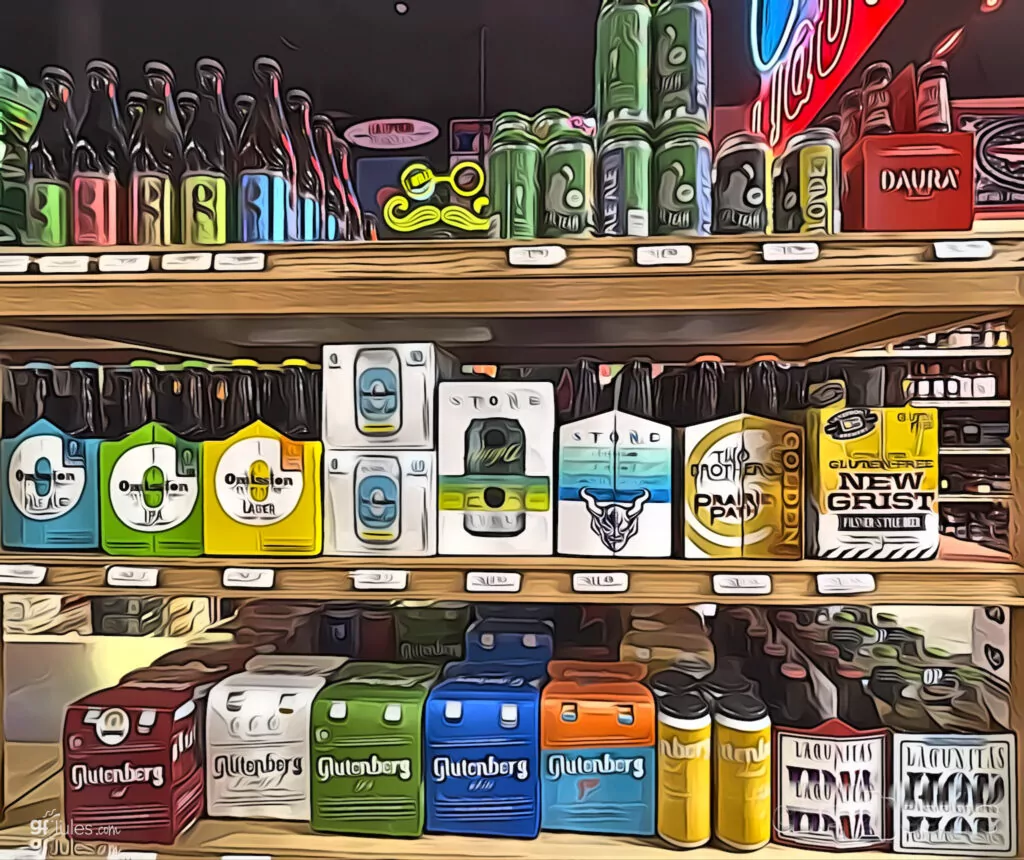
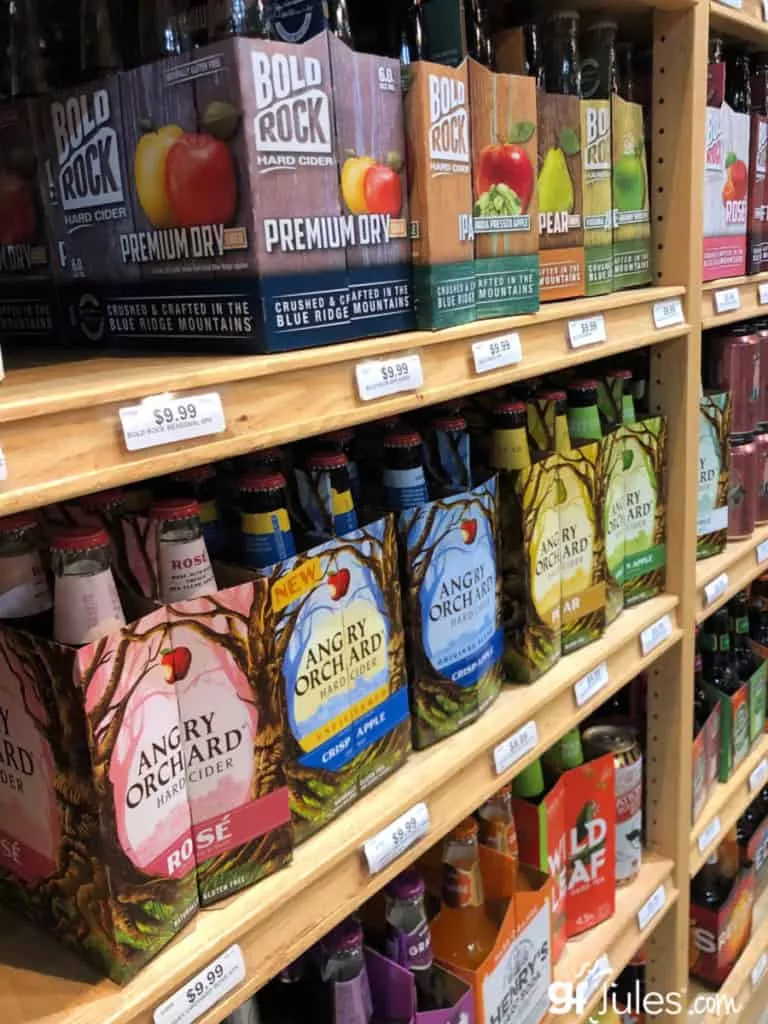
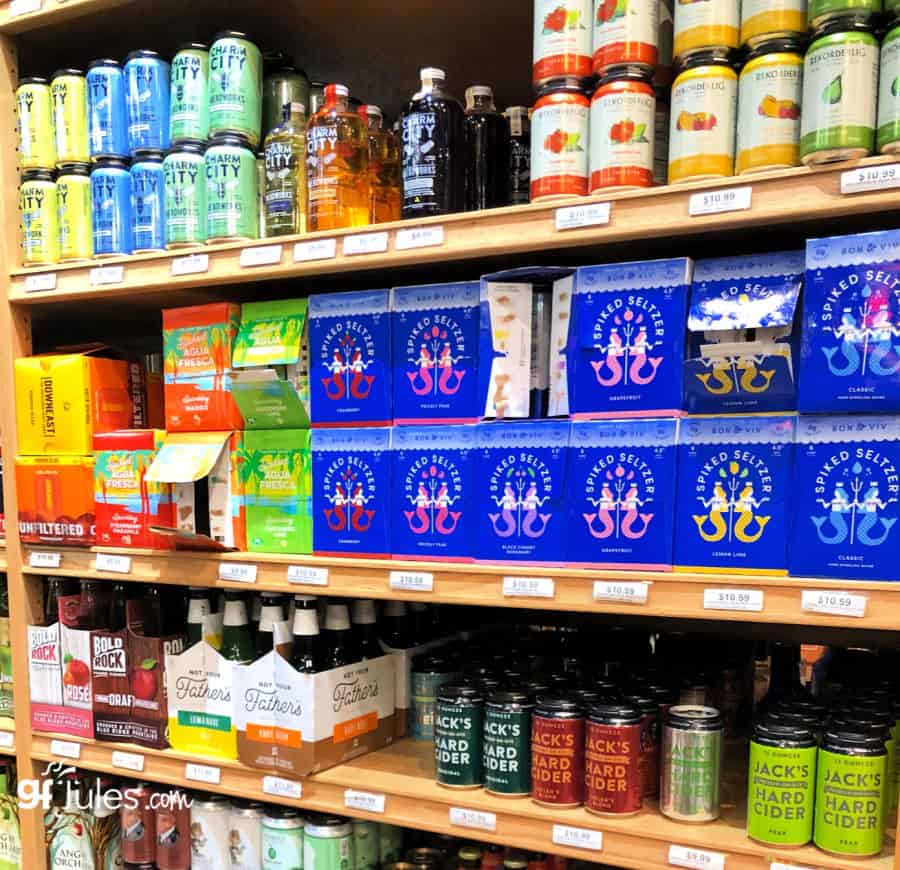
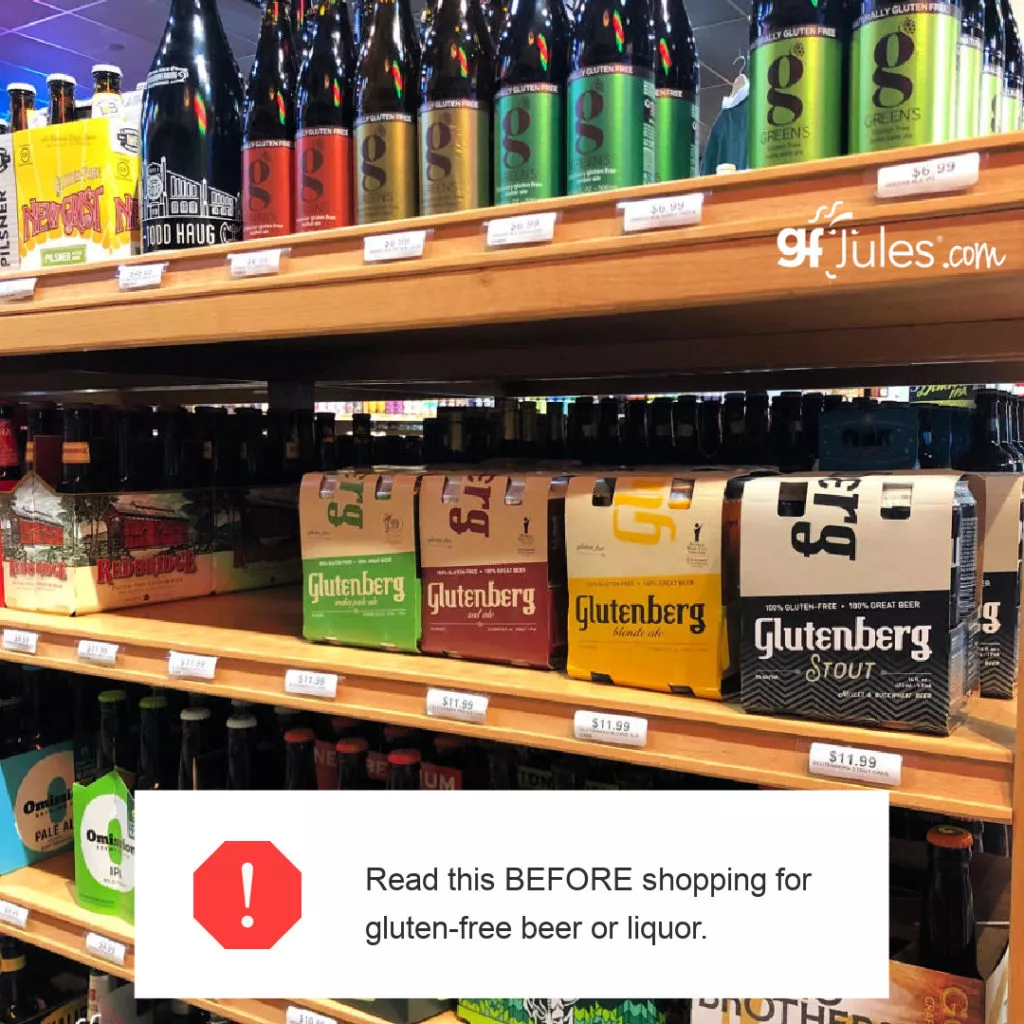
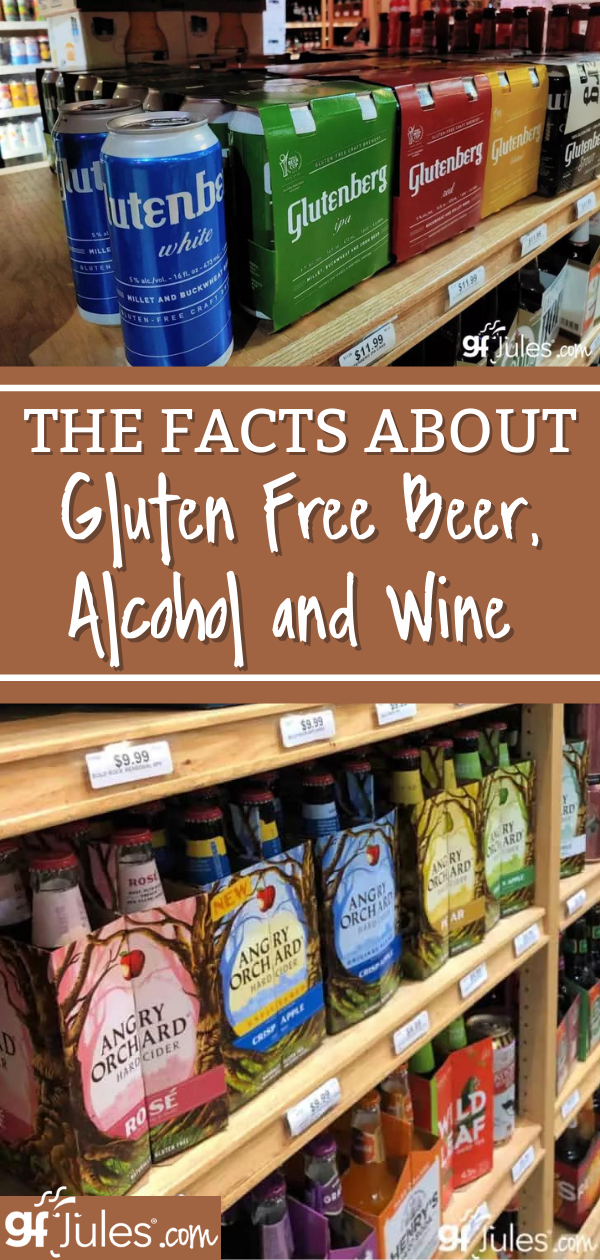
Always read labels before buying — don’t rely on stores to accurately shelve gluten-free items apart from non-gluten free options.
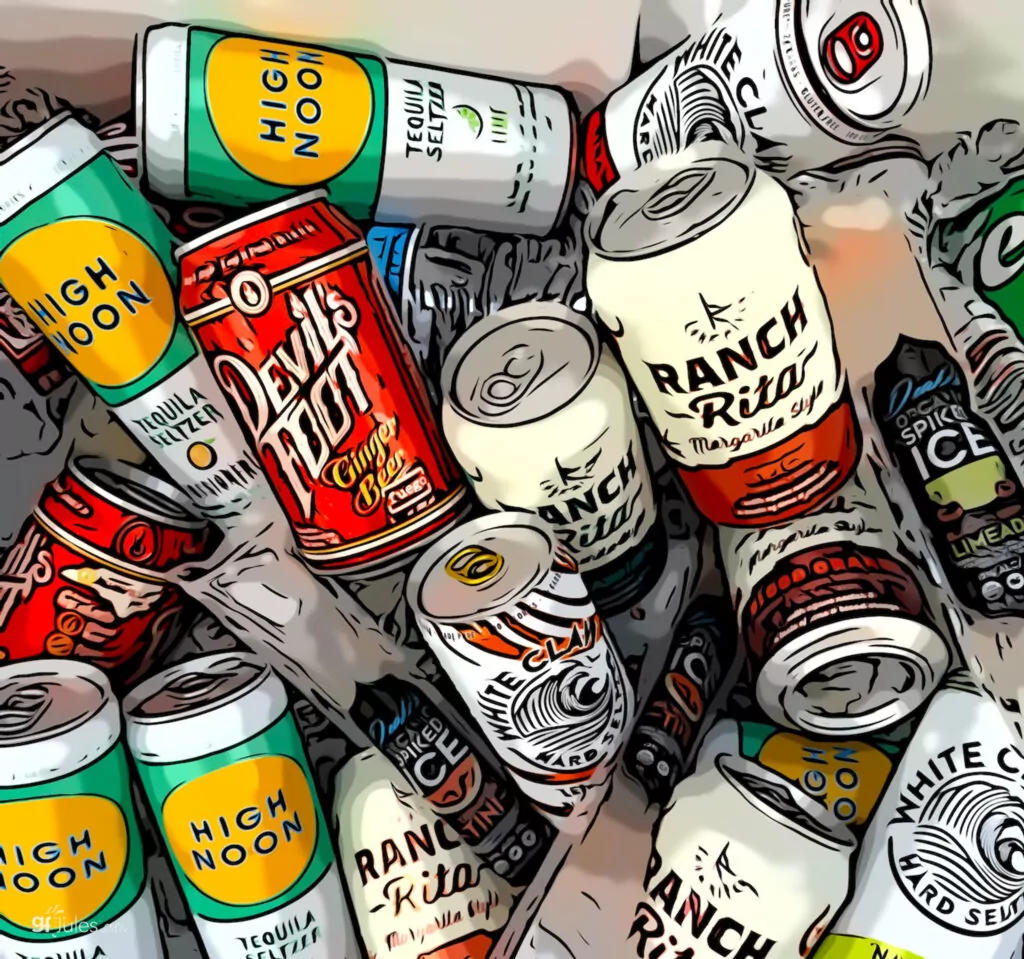
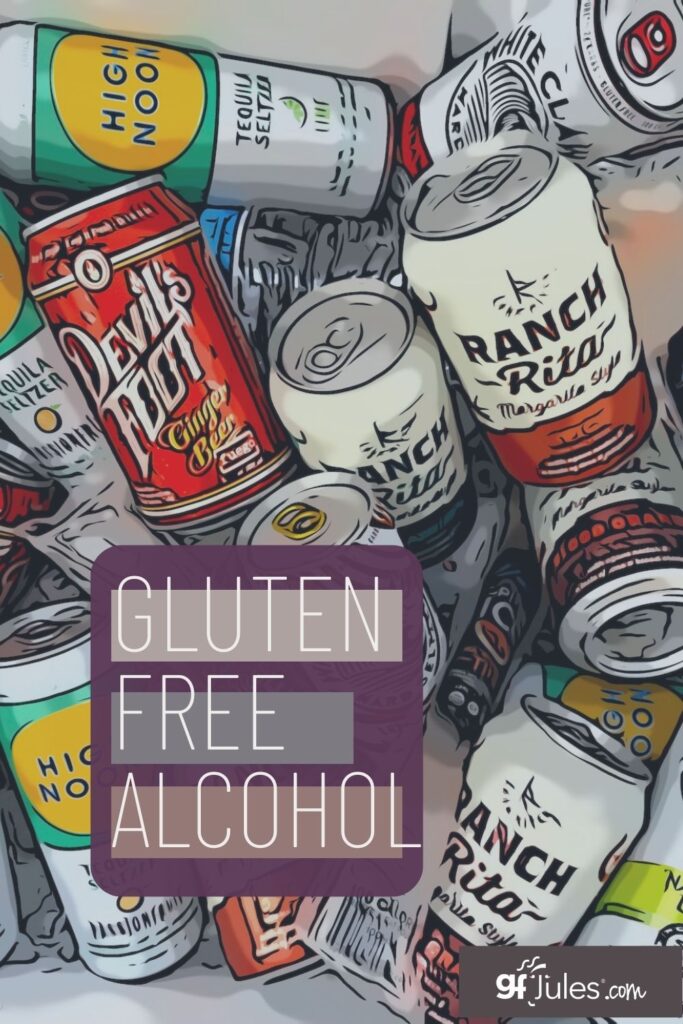
Jack’s Hard Cider IS gluten free; as are the seltzers pictured here. Charm City Mead is another gluten free option.
Meads like Charm City Mead on the top shelf above, ARE gluten free. Mead is made from fermented fruits and honey, no grain.
However, some brands of fermented, malted beverages are now claiming to be gluten-removed. Please use caution in choosing to try these types of beverages.
When fermented and malted beverages are made with gluten (usually barley — think beer!) but claim to be processed to remove or break apart the gluten molecules, they are not able to verify the gluten content of the resulting beverage (see section below on “gluten removed beers”).
These manufacturers are not allowed to label themselves as gluten-free, but instead must say something like “crafted to remove gluten.” Experts do NOT consider enzyme-treated beers and ciders safe for celiacs.
This is a quote from Mike’s Hard Lemonade‘s FAQ page: “[W]e encourage you to consult with your doctor if you have extreme sensitivities since our product may contain gluten traces. mike’s [sic] is fermented from grains that contain gluten and crafted to remove gluten. The gluten content cannot be verified and this product may contain gluten.”
Also many drink mixers (like Bloody Mary and margarita mixes) contain (barley) malt or other hydrolyzed wheat proteins as fillers. Always read every label!
Is Spiked Lemonade Gluten Free? (not fermented)
On the other hand, when a libation is made from distilled, not fermented alcohol, but uses the claim “gluten-removed,” it can be confusing, but it’s still gluten-free. Distilled alcohol — as long as no malt is added back in — is gluten free as described above.
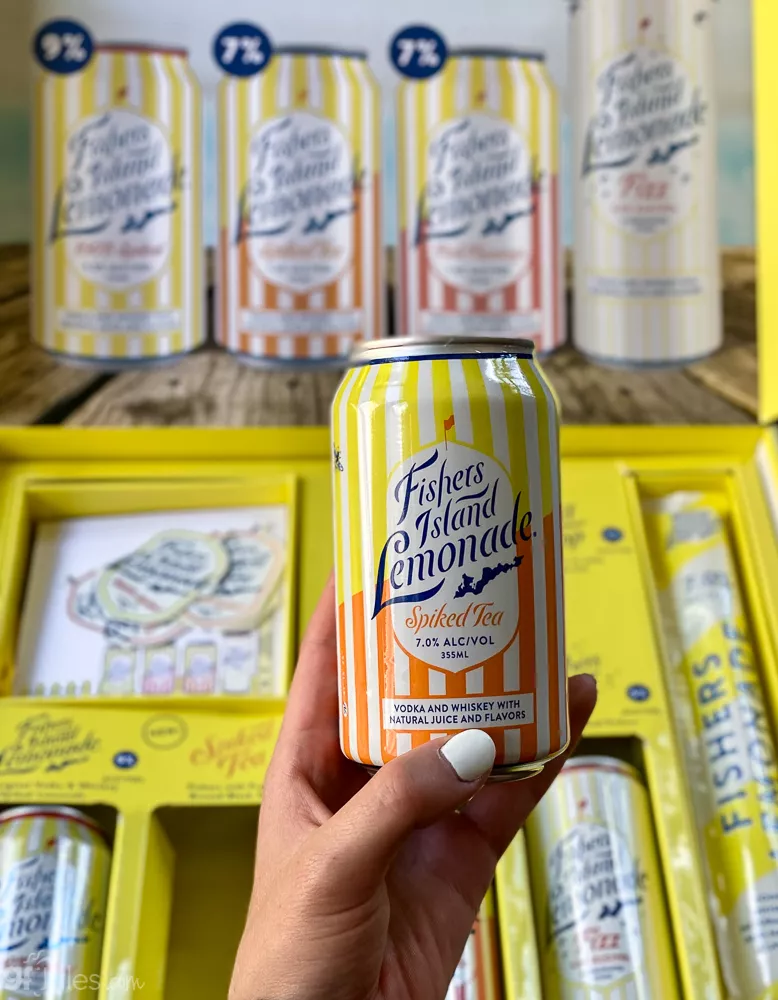
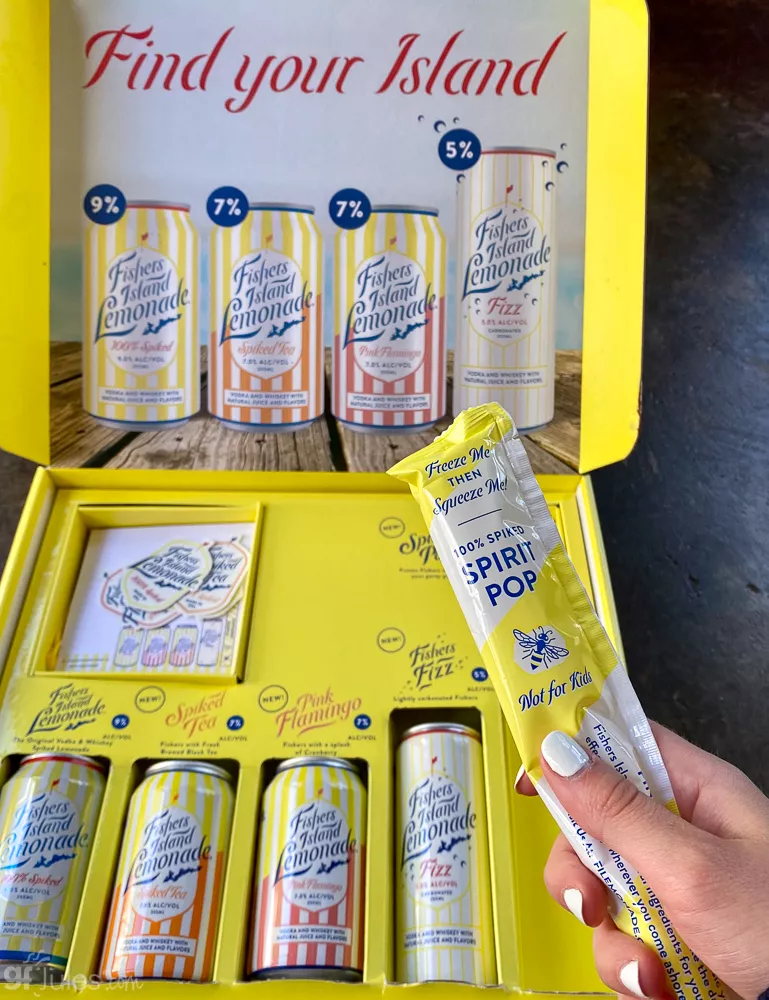
One such beverage is Fisher’s Island Lemonade. This vodka and whiskey-spiked lemonade cocktail in a can is a ready to drink and totally refreshing option to beer. (From Fisher’s Island in response to my inquiry about their “gluten-removed” description: Because Fishers Island Lemonade product is made with vodka and whiskey – the whiskey is made with malted barley and rye, which in its original form contains gluten. Through distillation, the gluten is removed, so it is friendly to gluten sensitive drinkers.)
This description of the beverage being “gluten removed” is very confusing and while technically accurate, is an extreme corporate CYA rather than a helpful consumer labeling statement. This product is gluten free, not gluten removed, because it is distilled.
These super refreshing libations don’t taste alcoholic at all (but they do pack a punch at 9% and 7% ABV). They really taste like delicious lemonade, shanties and other fruity, bubbly drinks that are the perfect way to cool off in the summer.
They come in Lemonade, Spiked Tea, Pink Flamingo and Fizz, as well as a grown-up frozen popsicle which probably goes without saying, but I’ll say it anyway, is just too cool. Available to ship to your door in many states — check here for your state shipping availability.
Are Seltzers Gluten Free?
Luckily many hard seltzers are gluten-free, but some are not. If the can is not already labeled gluten-free, you need to search the manufacturer’s website for information before trusting that any hard seltzer is gluten-free. Many are made with barley malt and not gluten-free.
What is hard seltzer?
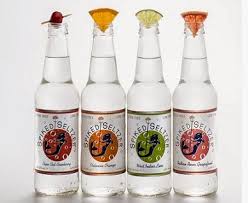
These light alternatives to beer and wine typically contain less than 6% alcohol derived from fermentation of citrus and sugar. They are wonderful on their own to cool down on a hot summer day, or to use as mixers in any kind of libation. One of the original brands is SpikedSeltzer but there is a new brand cropping up on every end aisle, it seems.
An ever-present brand is White Claw Hard Seltzer. This low calorie libation has no artificial ingredients; the alcohol comes from fermented cane sugar. With 5% ABV and 110 calories, I find these to be sweeter than the SpikedSeltzer competition, although their new lemonade flavors are pretty good, IMHO. That’s not a bad or a good thing: if you like sweet, you’ll love these; choose another seltzer if you prefer a more subtle flavor.
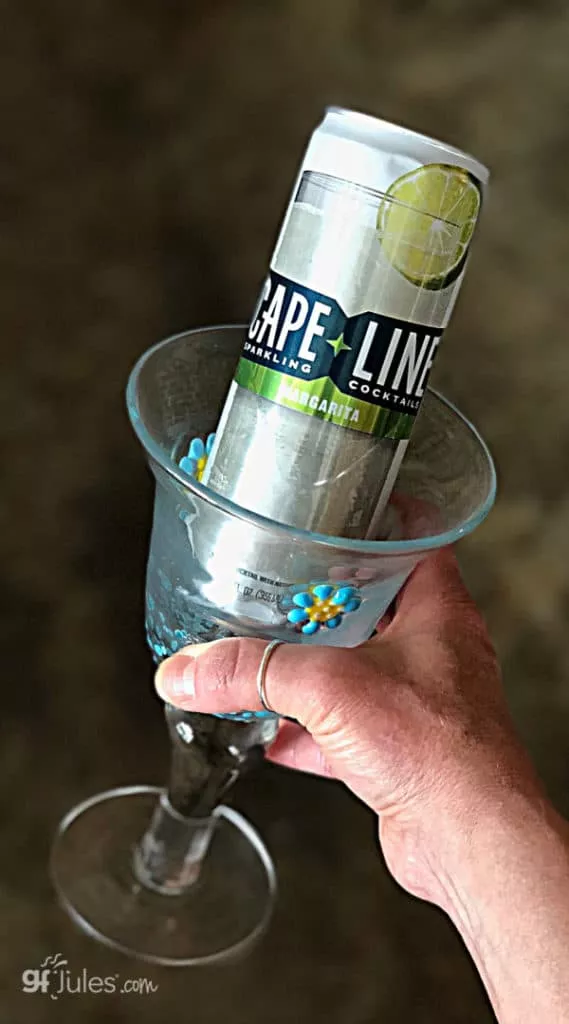
MillerCoors has their own gluten free hard seltzer called Cape Line Sparkling Cocktails. Their first flavors are Blackberry Mojito, Margarita and Hard Strawberry Lemonade. Unlike typical hard lemonades (see above), these 6-ingredient libations are gluten-free! They’re even certified gluten-free by the GFCO (kudos). Another nice feature about Cape Line? Only 120-calories. They’re slightly sweet and bubbly and are 4.5 abv. Enjoy them cold from the can or in your favorite margarita glass with ice. Cheers!
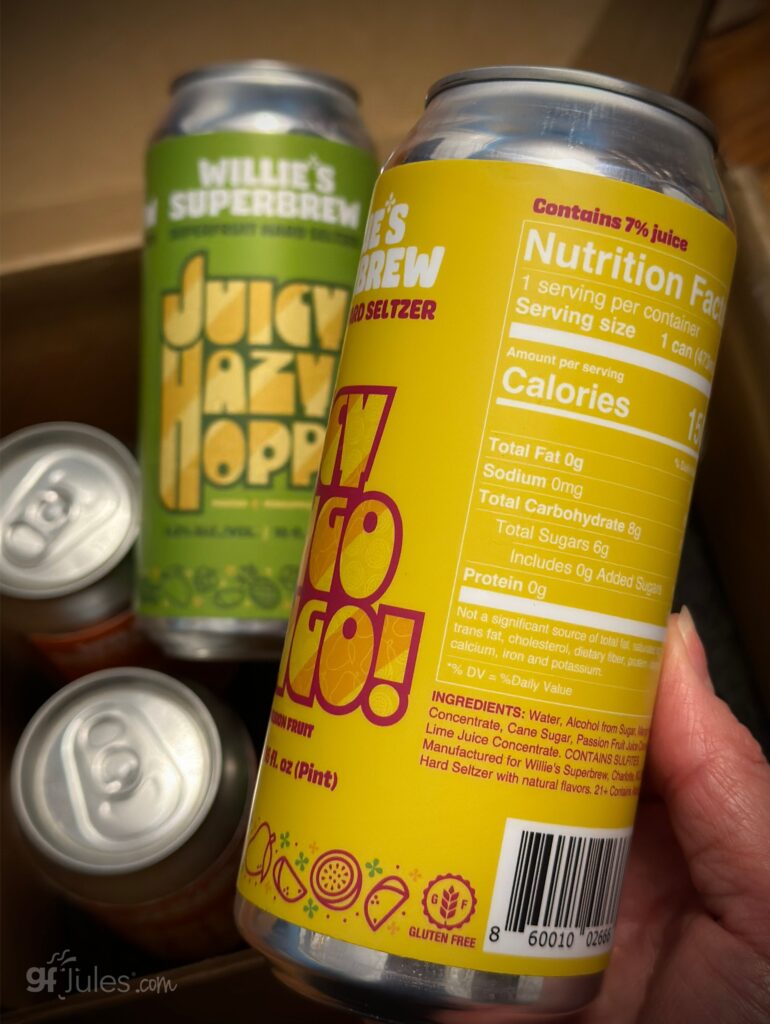
There are plenty more brands available, just be sure to check the labels. Stick with ones like this one from Willie’s Superbrew, which claim “gluten free” right on the can.
Cheers to Gluten-Free Beers
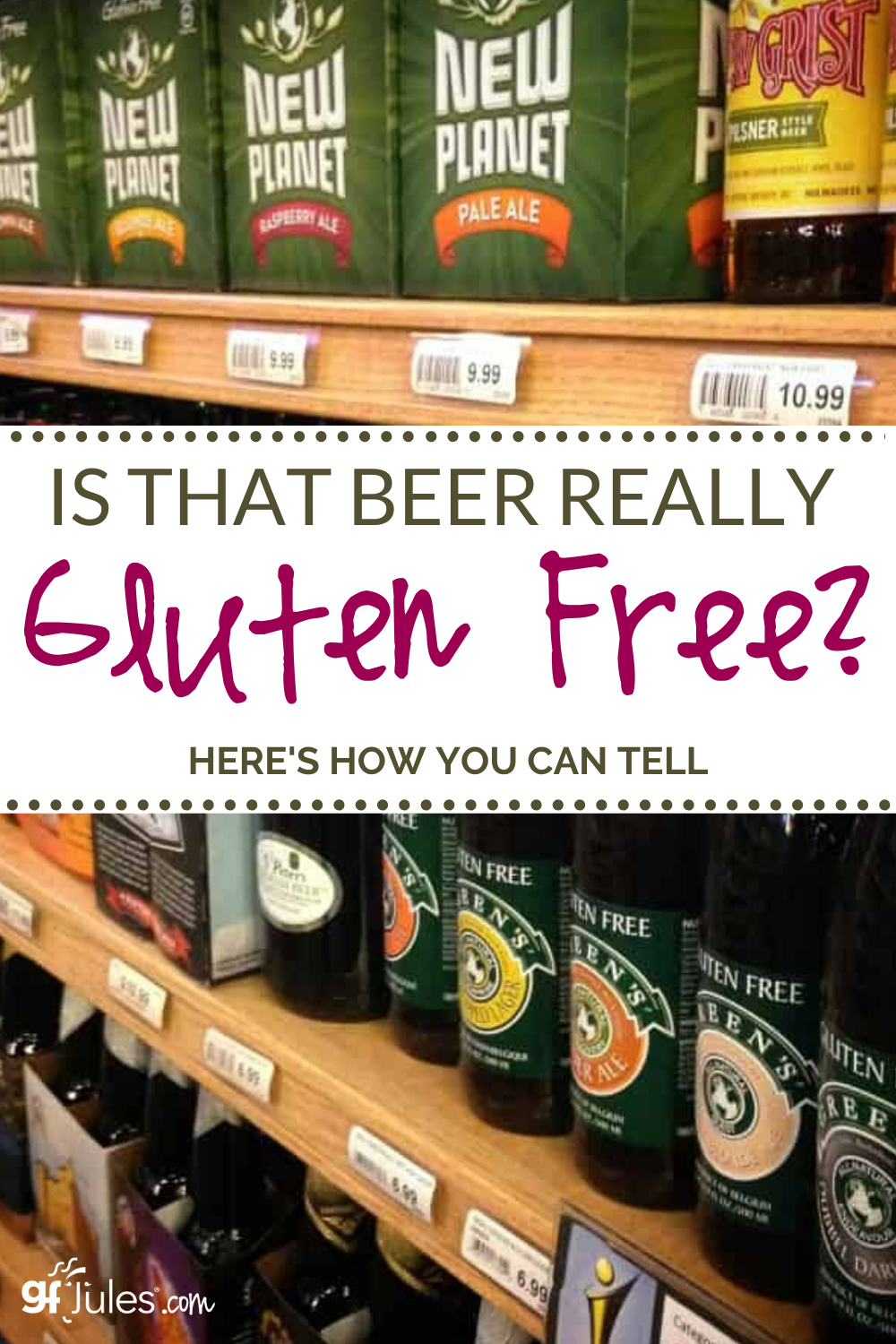
Beer used to never be gluten free. Luckily, many craft brewers are now offering special gluten free beer. Most are brewed from alternative grains like sorghum and millet, so are considered safe for celiacs, because they are naturally gluten-free beers.
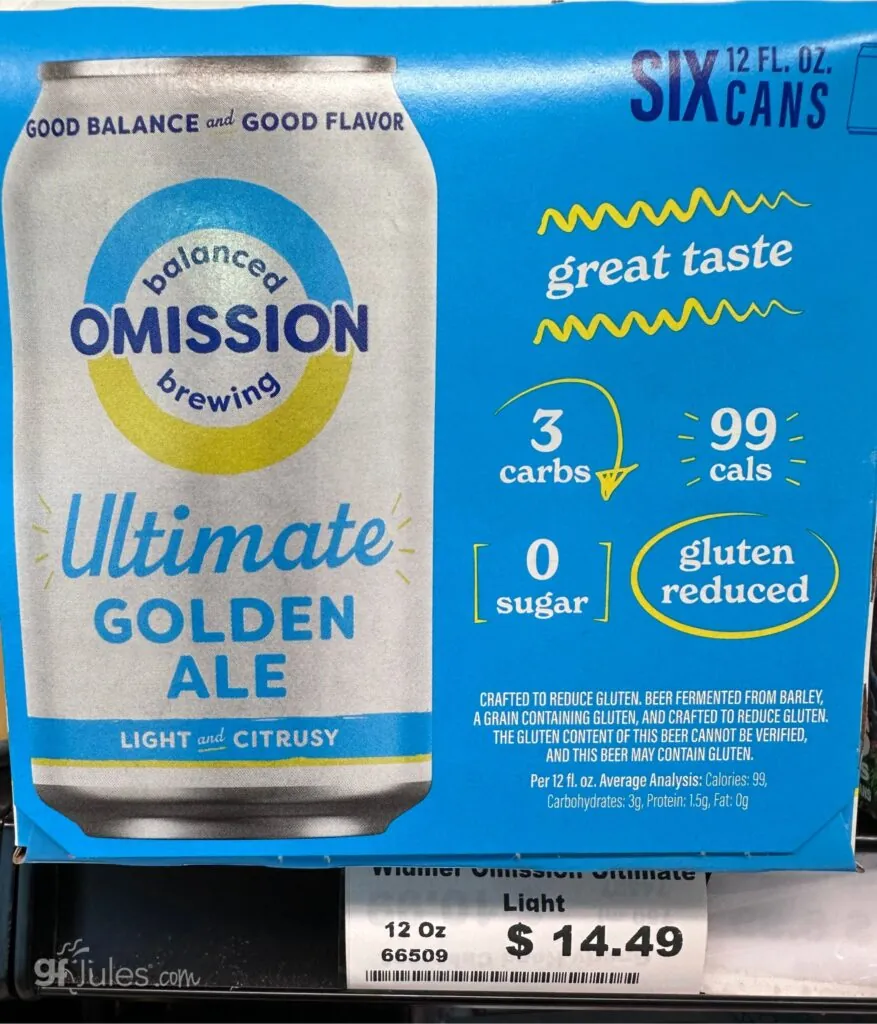
However, there is another category of beer that is called “gluten-removed” or “gluten-reduced;” these beers are made from barley in the traditional brew-making style, and are not allowed to be labeled as “gluten-free” in the U.S., although local state laws may differ when the beers are not crossing state lines.
Beers made from barley but treated with enzymes in order to remove or reduce gluten are not naturally gluten-free, they are gluten-reduced. In Europe, these types of beers are labeled as “gluten-free,” but in the US, they are referred to as “gluten-reduced,” and by law, they cannot be called “gluten-free” because they are made with gluten-containing barley.
While the manufacturers of these beers claim that they test to below 20ppm gluten, no widely available scientifically validated testing exists which can adequately test beverages like fermented beers for gluten, so relying on ineffective testing for gluten results is somewhat disingenuous: “ELISA as it stands cannot measure the gluten [in beer]. Unless they access an alternate technology they can’t know,” (emphasis added) says Michelle Colgrave, a researcher with the government-run Commonwealth Scientific and Industrial Research Organisation (CSIRO) in Australia.
Experts caution against celiacs and those with gluten sensitivity drinking these beers, since it’s unclear whether they are truly gluten free enough to be safe. To find out all about the difference between safe, naturally gluten-free beer and gluten-removed or gluten-reduced beers, hop to my article covering the differences and the research.
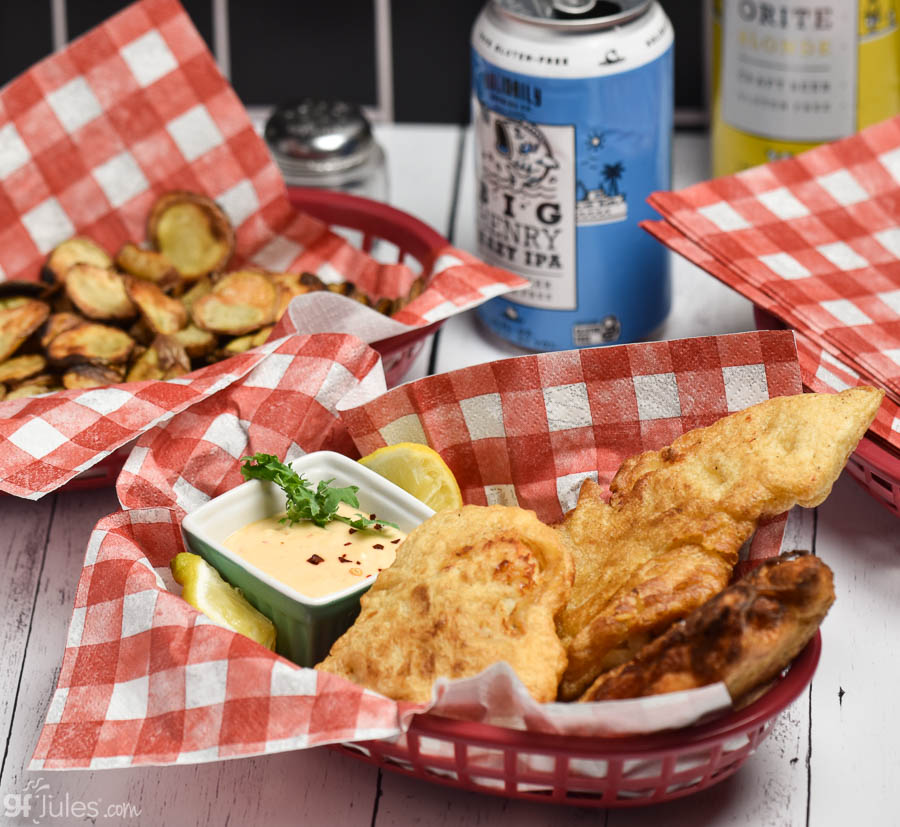
Gluten-Free Fish & Chips
Can You Bake With Gluten Free Beer?
Whether or not drinking beer excites you, you should be thrilled that gluten-free beers are finally available for us to use as cooking ingredients! That’s right – beer bread, tempura, beer cake, and the always popular, beer-battered fish and chips! What would these be without beer? Not the same, I assure you!
















 Loading...