

Gluten Free Oatmeal Safe for Celiacs: What to Look For and What to Avoid
Gluten-free oats should be a staple of your gluten-free lifestyle, but there’s a lot of misinformation out there about oats and whether there really are gluten-free oats safe for celiacs and others with gluten sensitivity.
While a small number of people truly cannot tolerate oats, the majority of folks can add oats to their diets safely, so long as those oats are genuinely gluten free. The catch is that “gluten free” on an oat label does not mean what most shoppers think it means.
Why Oats Are Riskier Than Other Gluten Free Grains
Oats are naturally gluten-free. The problem is everything that happens to them between the field and the bag.
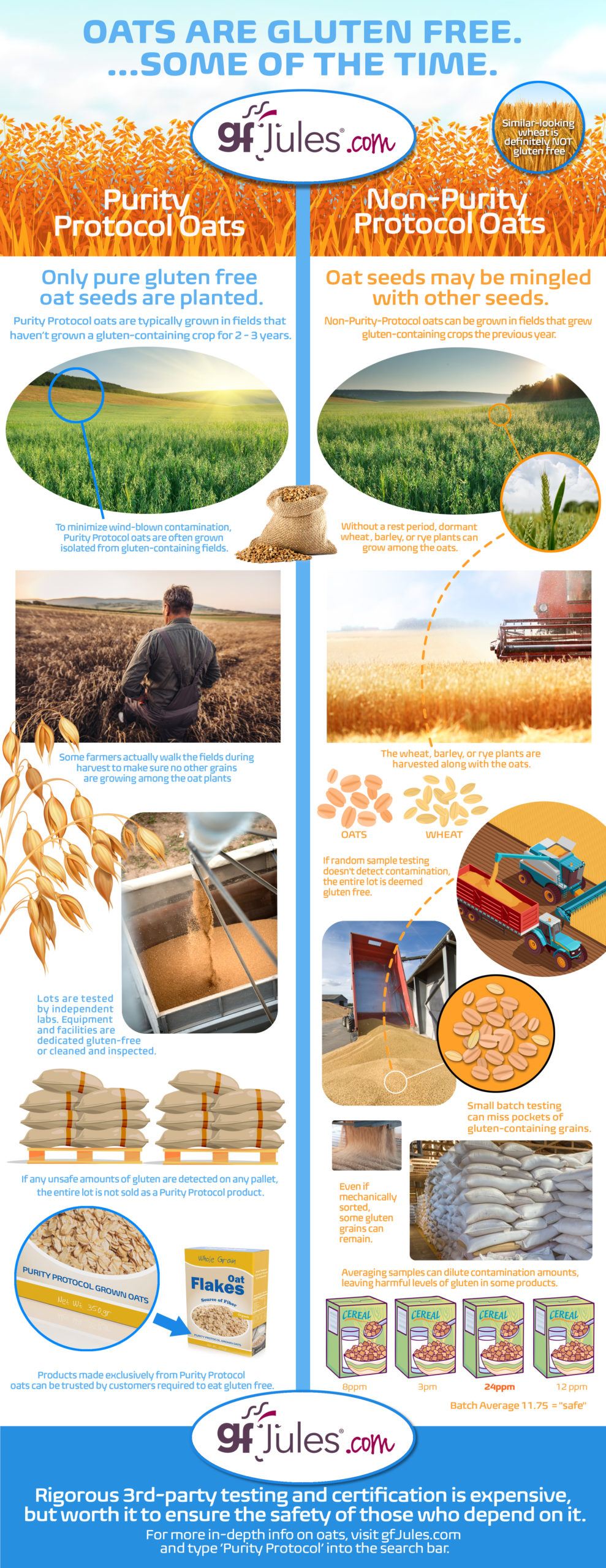
Oat groats are so similar in size to wheat and barley that farmers often maximize efficiency by using the same equipment and rotating crops through the same fields. The result is rampant cross-contamination, long before the oats ever reach a mill.
Because contamination can happen at planting, harvesting, milling, processing, and packaging, oats are considered an inherently risky gluten-free product. They deserve an extra layer of scrutiny and require an extra layer of safety. That extra layer is called Purity Protocol.
What is Purity Protocol
To be truly gluten free, oats need to be grown, harvested and packaged in dedicated areas. Purity Protocol oats meet all of the following standards:
- Planting pure seed stock with pre-planting field history audits
- All equipment inspected and approved for gluten free production
- Each field inspected prior to harvest by the company and a third party
- Harvested seed stored only in dedicated gluten free grain storage
- Processed in a dedicated and certified gluten free oat mill
- Packaged on a dedicated and certified gluten free packaging line
- Third party audits confirming the final product is certified gluten free
This is the standard of the Purity Protocol Certified Gluten Free Oats, that I chose to source are held to. Ease your mind knowing I’ve done the hard work to find safe oats for us celiacs and others who benefit from the safest oats.
How to Spot Oats That Are Not Purity Protocol
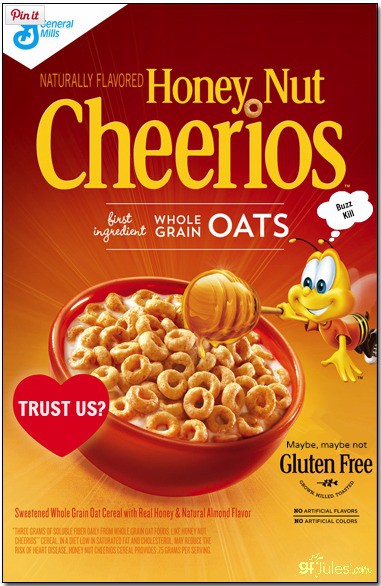
Large companies have gotten into the gluten free market by using cheaper, regular contaminated oats and attempting to optically or mechanically sort out the gluten grains afterward, in order to claim their oats contain less than 20 ppm gluten (the FDA standard for gluten-free labeling). Sorting contamination out after the fact is not the same as preventing it in the first place, and consumers have been made sick by these products.
Oats are not just in breads and cereals anymore, either. Oat milk, creamers, yogurts, frozen treats and ice creams have all arrived on the market in recent years, and most of them are not made with Purity Protocol oats, even when they carry a gluten-free certification.
So how do you find out? The most reliable method is to contact the manufacturer directly and ask. Most will tell you. Here is the response I received when I contacted Elmhurst 1925, who confirmed their oat supplier uses Purity Protocol oats:
“Thank you so much for reaching out to us. Our oat supplier has taken a strong stance against the use of glyphosate and has banned the growers from using it. The supplier tests the harvest samples from every grower for any residues. The certified gluten free oats offered by our supplier are produced under a gluten free purity protocol, which eliminates the risk of cross contamination.”
For a full listing of manufacturers using Purity Protocol oats to make oat milk, see my article: Which Oat Milks Are Gluten Free.
Health Benefits of Gluten Free Oats
Once you have safe oats in your pantry, there is a lot to gain from eating them. People following a gluten-free diet arguably have more reason to want certified gluten-free oats in their diets than anyone else.
Heart and blood sugar support. The beta-glucans in oats reduce LDL cholesterol and blood pressure, and lessen both glycemic and insulin response.
Immune support. Those same beta-glucans bolster the immune system’s defenses against bacteria, viruses, fungi, and parasites. Know anyone in the gluten-free community who could use a little extra immune strength?
Fiber and fullness. Oat fiber keeps you feeling full for longer, so you are less likely to snack. One study found 59% of elderly test subjects discontinued laxative use after just six weeks of daily oat bran consumption.
Childhood asthma. Early oat consumption in young children has been statistically linked to a reduced likelihood of developing persistent asthma.
What to Make With Your Purity Protocol Oats
This is the fun part. Once you know your oats are safe, everything opens back up.
Here are some lovely breakfast gluten-free oatmeal recipes that you and your family could enjoy next Sunday morning! All you need to get them is the Purity Protocol Gluten Free Oats, so let’s get cooking!
For baked recipes, pair your oats with my All Purpose Gluten Free Flour, voted the #1 gluten free flour by GF consumers nine times running. If you are avoiding corn as well, the Multigrain Biscuit & Breakfast Baking Flour is a natural partner for oat-based breakfast bakes, and for grain free households there is NADA Flour.
 Gluten Free Overnight Oats Waffles.
Browse the full gluten free flour collection and my favorite baking accessories to get set up your kitchen.















I use Bobs Gluten free oats, Are they ok?
Hi Barbara, Bob’s Red Mill oats are not certified gluten free nor are they purity protocol oats. You can find an updated listing of the companies which do offer purity protocol oats at GlutenFreeWatchdog.org. I hope this information helps. That’s why I offer Gluten Free Harvest organic, certified GF, purity protocol oats on my site, since Bob’s Red Mill tends to be the only one most people can find in grocery stores and many of my customers would like to have another option.
~jules